
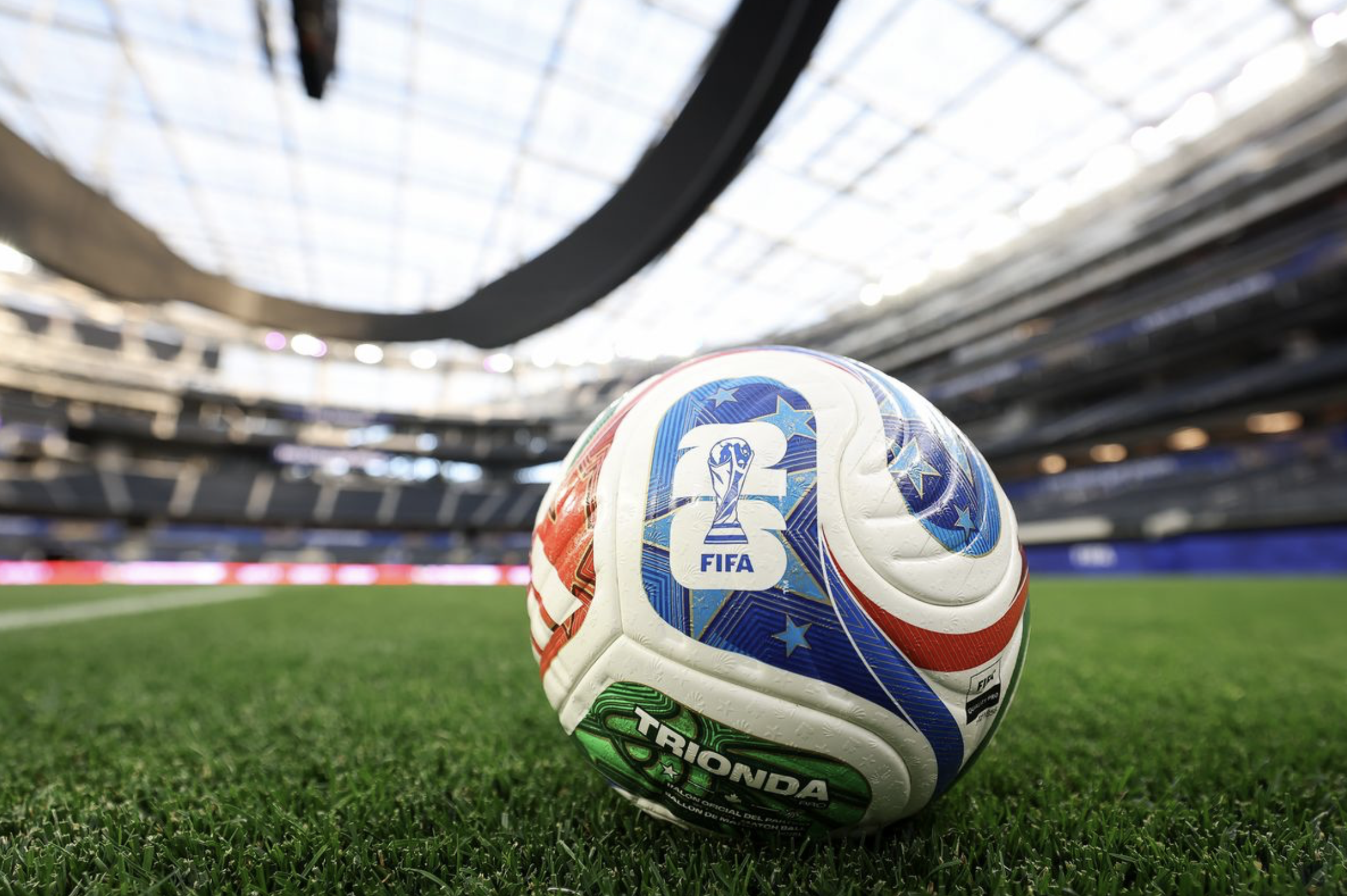
Why Most Businesses Get Knocked Out Before the Quarter-Finals
Every four years, the world becomes obsessed with men’s football. Entire countries unite behind their teams. Pundits make bold predictions. Fans celebrate wildly after one good result and panic after a bad one.
To me, this echoes the talk about SEO. Maybe it should, because SEO is surprisingly similar to the FIFA World Cup. Especially since, many small and medium-sized business owners approach SEO like a team that expects to win the tournament after scoring one goal in the opening match.
Let’s look at what football can teach us about ranking on Google.
1. Group Stage: Your Website Has to Qualify First
Nobody starts the World Cup in the final. Even football giants like England, France, and Argentina must survive the group stage before they can dream of lifting the trophy.
SEO works the same way.
Before your website can compete for valuable keywords, Google needs evidence that you deserve a place in the tournament.
That means:
- Technical SEO must be working.
- Pages must be indexed.
- Site speed can’t resemble a defender running in concrete boots.
- Content must answer searchers’ questions.
Many businesses want to rank #1 for “best accountant”, “best plumber”, or “best marketing agency” before they’ve even qualified for Google’s group stage.
If this is you, you’re an Italian hotshot watching the games at home.
2. You Don’t Win the World Cup in One Match
The USA has won their opener against Paraguay, 4-1. Now a lot of American soccer fans are already proclaiming themselves World Cup Champions.
Ridiculous, right?
Yet businesses often behave the same way. They publish one blog post and expect page-one rankings within a week.
SEO is a tournament, not a single match.
Winning requires:
- Consistent content
- Technical improvements
- Backlinks
- User engagement
- Patience
One good article won’t win the cup. A season of good performances might, but even then it’s not guaranteed.
3. Backlinks Are Your International Reputation
At the World Cup, teams arrive with reputations. When number 1 ranked Argentina walks onto the pitch, people pay attention. When bottom ranked New Zealand does, expectations are different.
Google sees backlinks in a similar way.
When respected websites link to your business, they’re effectively saying: “We’ve played against these guys. They’re good.”
One quality backlink from a respected industry site can be worth more than fifty links from random websites that look like they were built when David Beckham was still playing for England.
Think of backlinks as international caps for your website.
The more respected the source, the more credibility you gain.
4. Keyword Stuffing Is Like Diving
Every football fan knows the team. A slight breeze touches their shoulder and they launch themselves through the air like they’ve been hit by a freight train. For a moment, it works, but then VAR reviews the incident and embarrassment follows.
Keyword stuffing is SEO’s version of diving.
Years ago, people could write: “Best plumber London. Cheap plumber London. Emergency plumber London.”
Google wasn’t very impressed then, and has put its own VAR in place to make sure this trick doesn’t rank.
Modern SEO rewards quality content, not theatrical performances.
5. Google Is the Referee
The referee doesn’t care how much you spent on your team. They don’t care how confident you are. And they certainly don’t care what your marketing consultant promised. The rules apply equally to everyone.
Google operates like a referee.
You can spend £50,000 on a website.
You can spend £500.
If your competitor provides better answers, a better user experience, and stronger authority signals, they’ll often outrank you.
Complaining about Google is a bit like shouting at the referee.
It may feel satisfying, but it rarely changes the score.
6. Every Country Has a Different Playing Style
The World Cup is fascinating because every nation approaches the game differently. Spain loves possession. Germany values structure. Brazil embraces flair.
SEO varies by industry in the same way. A local stationary shop needs a different strategy from an e-commerce store, a law firm, a software company and a multinational brand.
One-size-fits-all SEO is like telling every football team to play exactly like Spain. It sounds sensible until Cape Verde is playing against Spain. By playing a more defensive game, they survived their first game in the World Cup in a 0-0 draw.
Your strategy should fit your business, market, and goals.
7. Penalty Shootouts Are Like Algorithm Updates
No matter how well you’ve played, sometimes everything comes down to penalties. Suddenly, logic disappears and stress levels hit record highs.
Google algorithm updates can feel remarkably similar.
One morning your rankings are stable. The next morning, you’re refreshing analytics every three minutes while wondering whether you’ve offended the internet gods.
The key is preparation.
Websites with strong content, solid technical foundations, and genuine authority usually recover far better than sites relying on their one goal-scorer.
8. The Teams That Win Are Consistent
The countries that lift the World Cup are rarely lucky. They’re organised, disciplined and prepared. They do the basics exceptionally well for a long period of time.
SEO winners behave the same way.
They:
- Publish useful content regularly.
- Improve their websites continuously.
- Earn trust over time.
- Focus on helping users.
If their competitors are looking for “secret SEO hacks” on YouTube at 2am, who do you think is going to win?
The Final Whistle
Many business owners think SEO is magic, but it’s more like football. The businesses that succeed aren’t necessarily the biggest, richest, or loudest. They’re the teams that consistently do the fundamentals better than everyone else.
So if your website isn’t ranking yet, don’t panic because this isn’t the final. You’re just somewhere in the group stage.
Keep training. Keep improving. And try not to dive in the penalty area; Google’s VAR is watching.
If you need some SEO coaching, send a message and ask me your questions.


Leave a Reply